(Given at the 8:30 am and 10:30 am Sunday Masses at OLP)
(The you/they difference is due to the fact that the OCIA class was at the 10:30 am Mass and not the 8:30 am Mass)
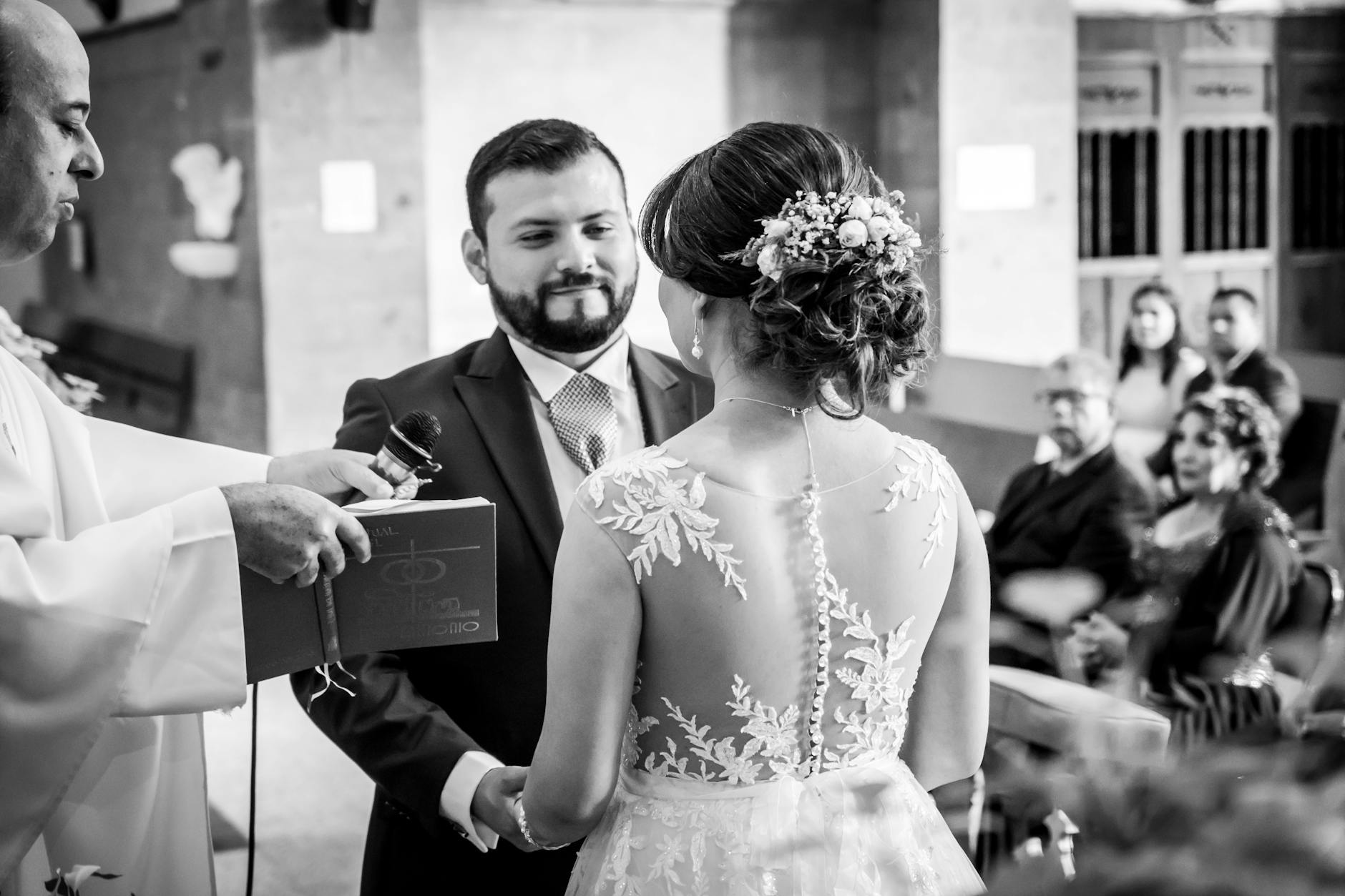
Today, we (will) celebrate the scrutinies with our former catechumens, now dubbed the Elect. God has chosen you/them for baptism at the upcoming Easter Vigil. You/they have been journeying alongside our candidates, those baptized Protestants, who will enter into full communion with the Catholic Church here on Divine Mercy Sunday. And at some point, we will celebrate confirmation with those baptized Catholics who have been a part of OCIA as well. But we lost our bishop, so stay tuned. Now the purpose of these scrutinies, as well as all the prep work behind the scenes, is to make sure that, 1, you/they are ready to receive the Sacraments, and, 2, that you/they are properly disposed to do so. This is not a new thing. Jesus does this throughout the gospels. He calls sinners to actually repent from their sins, to change their situations, all by his grace, and to turn their lives around in order to follow him. The Scriptures are clear that repentance and initial conversion proceed discipleship. Zachaus, the short rich tax collector, declares publicly that he will change his behavior in order to follow Jesus. And then Jesus responds by declaring salvation to him and his house. In our gospel passage today, Jesus states that the Samaritan woman has no husband and the man she is currently with is not her husband. Not to throw it in her face, but to tell the truth in order that she is set free and her life put back in order. The Church follows the example of her master and her spouse. This is why she takes seriously the marital situations of her members, and her soon-to-be members, because she takes seriously the teachings of Jesus. She can’t not do so. Jesus was clear in our gospel passage a few weeks ago that divorce and remarriage are not on the table because of what marriage really is, what God designed it to be. Now, if a Catholic is civilly divorced, this does not mean they can’t receive the Sacraments, especially Communion and Confession. They can still do so. Just to be clear because there seems to be some confusion about this. There may even be certain situations like abuse where one needs to get the heck out of there to be safe. Only when remarriage enters into the picture does this situation change and needs looking into. An annulment is not Catholic divorce. It’s looking back at the union and examining if it was really a marriage, if certain criteria were present in the first place. Every marriage is innocent until proven guilty (what the annulment process does). That’s why the Church looks at every single previous marriage civil, common law, in the Church, etc. for those going through marriage prep or OCIA. Not to throw it in anyone’s face, but to tell the truth, as Jesus did. And to make things right if they have gone askew. If one receives an annulment (properly called a declaration of nullity) one is free to marry. If one’s spouse dies, one is free to marry. Marriage, when entered into, is til death do us part, exclusive, faithful, fruitful, total, and free. The Church recognizes civil marriages between other Christians and even non-believers as being true and valid. Marriage is a natural human right. For Catholics, we must be married in the Catholic Church (a priest or deacon as the officiant) for our marriages to be true and valid. If we are just married civilly, this doesn’t make the cut, but it can be rectified through the process of convalidation, getting one’s marriage blessed in the Church. Though that’s not the best way to describe it. It’s a privilege to work with these couples and see them through the process. All of this can seem overwhelming, why I get paid the big bucks—I’m joking, I’m joking. But it’s for a purpose. The Church has been around for 2,000 years! She has seen a thing or two. Even one of the marriage paperwork questions that we priests ask couples individually is: have you been abducted by your fiancé? That wouldn’t be in there unless it had happened somewhere in reality first! The Church cares about you and me and what life may throw at us. And even what messiness we may find ourselves in. Just like her master, she calls us to holiness and helps us to achieve it.